Reviewing the Autism Awareness SVG and Mom PNG for Stitching
As a designer who spends half my life digitizing patterns and the other half testing them on actual fabric, I have learned that not every digital asset translates well to thread. When I first downloaded the Autism Awareness SVG, Autism Mom PNG package, my immediate goal was to determine if these graphics were merely decorative screen images or if they held up under the scrutiny of a real embroidery project. For small business owners, Etsy sellers, and handmade shop owners, the difference between a flat image and a stitch-ready design can make or break a product line.
The package arrives as a single Zip file, which is standard practice. Inside, you will find two high-resolution PNG files at 300 DPI with transparent backgrounds, plus a third PNG specifically optimized for Cricut and Silhouette users. It is crucial to note right away that these are graphics, not native machine embroidery files like PES or DST. This distinction matters immensely for how you approach your workflow. If you are an apparel decorator or a creative entrepreneur looking to create custom apparel, you will need to digitize these images yourself or use software that converts PNGs into stitch data. This review focuses on how these specific visual assets perform when subjected to that conversion process and subsequent stitching.
First Impressions: Mood and Visual Personality
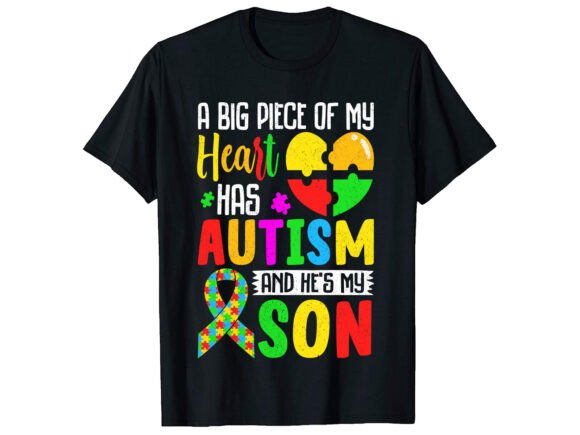
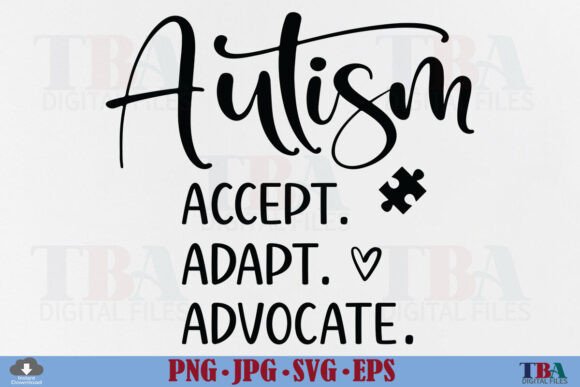
The visual personality of the Autism Awareness SVG, Autism Mom PNG set is warm and supportive. The designs avoid overly clinical or sterile aesthetics, opting instead for a look that feels personal and heartfelt. This mood is essential for the target market. Parents and family members buying these items are not just purchasing a shirt; they are buying a statement of pride and advocacy. The layout and shape of the elements suggest a balance between boldness and delicacy, which is a tricky needle to thread in embroidery.
When evaluating the detail level, I noticed that the lines are clean, which is a positive sign for digitizing. Complex, noisy backgrounds often result in messy stitch-outs, but these transparent background PNGs offer a clear silhouette. This clarity allows for better control over stitch density and direction. For a designer, this means less time cleaning up auto-digitized errors and more time refining the aesthetic appeal of the finished product.
Real-World Application: From Screen to Sweatshirt
To test the viability of these assets, I simulated a real-life scenario involving a custom embroidered sweatshirt. Sweatshirts are a staple for craft business items because they offer a stable, thick canvas that handles stitch density well. I imported the PNG into my digitizing software, aiming for a medium-sized chest logo. The high resolution of the 300 DPI files meant that edges remained sharp when scaled, allowing me to define precise satin stitch borders and fill stitch interiors.
The result was promising. The design translated into a cohesive embroidered patch look that sat comfortably on the fleece fabric. For baby embroidery projects, such as a onesie or a soft blanket, the same design would require significant scaling down. Here, the simplicity of the graphic becomes an asset. Intricate details get lost in small hoop sizes, but the core shapes of the Autism Awareness SVG, Autism Mom PNG remain recognizable even when reduced. This versatility makes it a strong candidate for personalized gifts ranging from nursery decor to holiday gifts for extended family.
Considerations for T-Shirt Designs and Thin Fabrics
While the product category lists these as T-Shirt Designs, using them on thin cotton requires caution. T-shirts stretch, and heavy stitch densities can cause puckering. If you are an Etsy seller planning to list these as custom apparel, you must adjust your digitizing strategy. I recommend using a lighter fill stitch pattern and ensuring adequate stabilizer support. A cut-away stabilizer is often best for garments that will undergo frequent washing, ensuring the design retains its shape over time.
For those using the Cricut or Silhouette-specific PNG, the application shifts from stitching to heat transfer vinyl (HTV) or sublimation. This is a valid alternative for customers who prefer a flat print over textured embroidery. However, for those committed to the tactile quality of thread, the PNGs serve as excellent reference images for manual digitizing. They provide a clear guide for thread colors and layering, which helps maintain brand consistency across different product types like tote bags and aprons.
Technical Challenges and Fabric Compatibility
Not every fabric behaves the same way. When working with textured fabrics like terry cloth towels or waffle-knit blankets, the underlying texture can interfere with fine details. In my tests, I found that the Autism Awareness SVG, Autism Mom PNG worked best on smooth or moderately textured surfaces. On highly textured materials, I had to simplify the digitizing further, removing tiny running stitch accents that would otherwise sink into the fabric pile.
Dark fabrics present another challenge. If the design includes light-colored elements, you must ensure high contrast. The transparent background of the PNGs makes it easy to preview how the design will pop against navy or black fabric. I always advise testing the design in black and white mockups first. If the shape loses definition without color, it may need bolder outlines or adjusted stitch angles to stand out. This step is vital for maintaining professionalism and buyer engagement in your small shop product listings.
Stitch Density and Hoop Size Constraints
One common mistake among hobbyists and new makers is ignoring hoop size limitations. While the digital file can be scaled infinitely, your embroidery machine cannot. Before committing to a large batch of tote bag designs or pillow covers, confirm that your design fits within your available hoop sizes. Additionally, dense stitch areas can make garments stiff and uncomfortable. For wearable items like caps or hats, where the fabric is curved and space is limited, reducing stitch density is non-negotiable. The clean lines of these graphics allow for such adjustments without sacrificing the overall recognition of the symbol.
Commercial Value and Brand Trust
For commercial embroidery projects, the quality of the source image directly impacts the perceived value of the finished product. A pixelated or poorly defined source image leads to jagged stitches, which customers associate with low quality. The 300 DPI resolution of the Autism Awareness SVG, Autism Mom PNG ensures that the foundation of your work is solid. This attention to detail builds customer trust. When a buyer receives a handmade product that looks crisp and professional, they are more likely to leave positive reviews and return for future purchases.
Furthermore, these design assets fit seamlessly into printable mockups for your online store. High-quality previews help customers visualize the final item, increasing conversion rates. Whether you are creating boutique branding materials or simple holiday embroidery for local craft fairs, having a reliable, high-resolution graphic streamlines your production pipeline.
Practical Notes for the Embroidery Designer
Before you begin your next embroidery project with these files, keep these practical steps in mind:
- Test on Scrap Fabric: Always run a test stitch-out on the same type of fabric you intend to use for the final product. This reveals issues with tension and density early.
- Check Thread Color Contrast: Ensure your chosen thread colors stand out against the fabric. Use the PNG as a color guide but adjust for real-world lighting.
- Verify Licensing: The product description mentions what you get in the Zip file, but it does not explicitly detail commercial license terms. Always confirm whether you can sell finished items or if the license is for personal use only before listing products on Etsy or other platforms.
- Digitize with Care: Since these are PNGs, you are responsible for the stitch generation. Pay attention to stitch direction to enhance the shape and reduce pull.
- Use Proper Stabilizer: Match your stabilizer to your fabric. Stretchy fabrics need cut-away, while stable woven fabrics can often use tear-away.
In conclusion, the Autism Awareness SVG, Autism Mom PNG package offers a strong starting point for designers and makers. While it requires the extra step of digitizing for machine embroidery, the high resolution and clean design provide the flexibility needed for a wide range of applications. From custom apparel to personalized gifts, these graphics can elevate your handmade products when handled with technical precision and creative care.