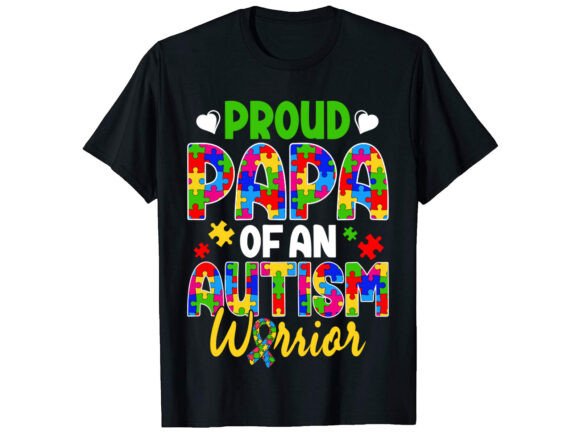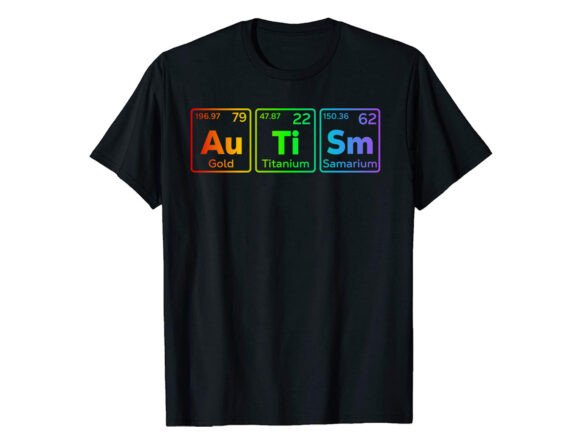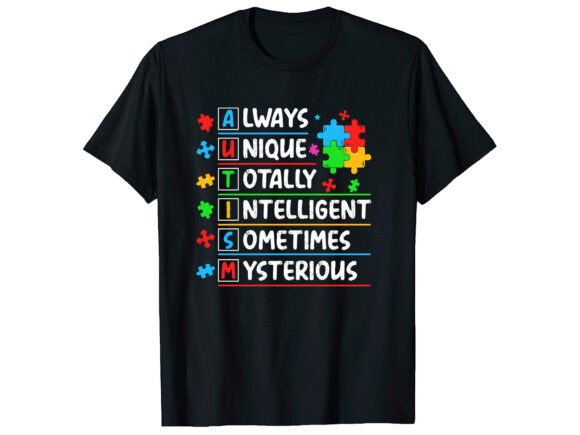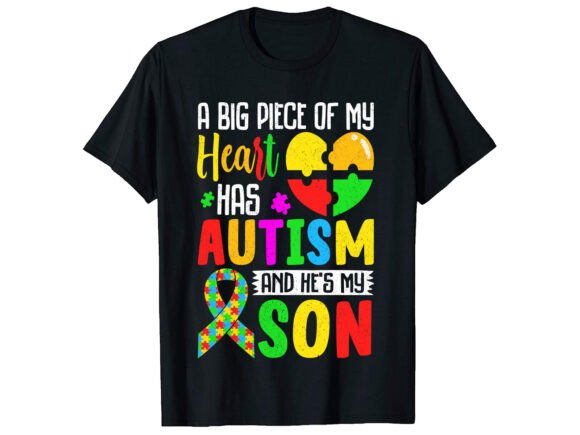
Autism T-shirt: Graphics for Modern T-Shirt Designs
As a brand designer and content marketer, I approach every new graphic design asset with a critical eye. It is not just about whether an image looks "nice"; it is about whether it can carry the weight of a marketing campaign, build audience trust, and maintain visual consistency across multiple touchpoints. Recently, I reviewed the Autism T-shirt design file to see how it could fit into a real-world project for a small business client launching a neurodiversity awareness initiative. This review breaks down the practical application, emotional tone, and strategic value of this asset for creators looking to elevate their brand identity.
First Impressions and Emotional Resonance
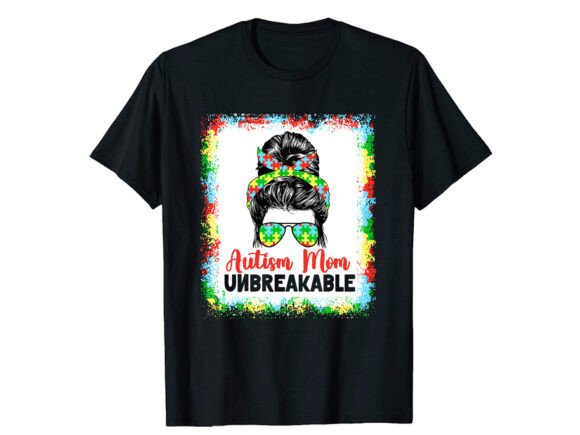
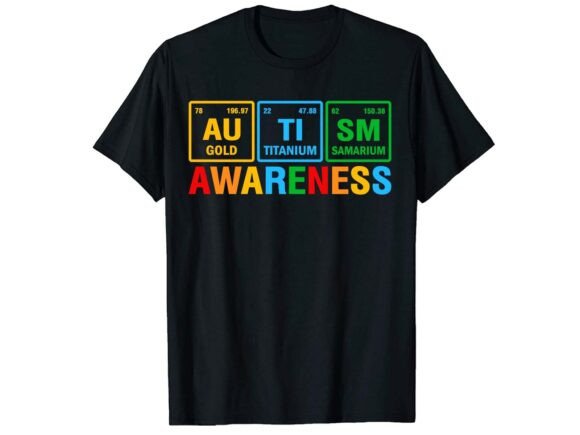
The moment I opened the files for the Autism T-shirt, the mood was immediately clear. The design strikes a balance between playful creativity and meaningful representation, which is crucial when dealing with sensitive topics like neurodiversity. Unlike some generic clipart that feels sterile or overly clinical, this illustration brings a warm, human element to the table. For a brand owner, this emotional tone is vital. It signals inclusivity and understanding without being preachy.
In terms of audience perception, this asset works exceptionally well for lifestyle content, community-driven campaigns, and handmade product lines. It feels suitable for casual branding where authenticity is the primary currency. If you are building a modern design portfolio for a non-profit, a coaching business focused on neurodivergent entrepreneurs, or a boutique selling awareness merchandise, this graphic provides a strong foundation. It avoids the messy, unprofessional look that often plagues DIY marketing materials, offering instead a polished aesthetic that respects the subject matter.
Integrating the Asset into a Multi-Channel Campaign
To test the versatility of this digital product, I imagined a scenario where a small business is preparing for Autism Acceptance Month. The goal is to create a cohesive content kit that spans physical goods and digital presence. Here is how the Autism T-shirt design performs in various marketing situations:
- Packaging Design and Product Labels: The high-resolution nature of the file allows it to be printed clearly on gift tags, sticker seals, and product labels. It adds a decorative brand element that reinforces the company's values before the customer even opens the box.
- Social Media Graphics: For Instagram posts and Pinterest pins, the design serves as a powerful focal point. It breaks up text-heavy feeds and encourages engagement through its relatable imagery.
- Digital Ads and Web Design: When used in Facebook ads or website headers, the graphic helps establish immediate context. It supports content marketing efforts by visually communicating the campaign's theme faster than copy alone could.
- Merchandise and Printables: True to its name, the asset shines on apparel. However, its utility extends to mugs, tote bags, and posters, making it a versatile component of a broader design bundle strategy.
Strategic Benefits for Brand Communication
Why choose this specific SVG design or PNG design over creating something from scratch? The primary benefit is the strengthening of visual hierarchy. In a crowded marketplace, having a distinct, professional illustration helps your materials stand out. The Autism T-shirt graphic offers a clearer product presentation, ensuring that the message of support and awareness is front and center.
Furthermore, consistent use of such a high-quality illustration improves audience trust. When potential customers see professional-grade visuals rather than pixelated or poorly composed images, they perceive the brand as more credible. This asset supports stronger recognition; if used consistently across email banners, lead magnets, and media kits, it becomes a signature element of the brand's visual language. It fosters an emotional connection, making the campaign visuals more memorable and impactful.
Ideal Use Cases and Placement Strategies
This design asset works best when given space to breathe. It is ideal for hero graphics on landing pages, campaign headers for newsletters, and product launch visuals where the focus is on community and connection. It also excels as an accent in branded templates, adding personality to otherwise standard layouts. For editorial layouts in blogs or digital magazines, the graphic can serve as a pull-quote background or a section divider, enhancing readability while maintaining thematic relevance.
However, there are scenarios where caution is required. In formal corporate branding that demands extreme minimalism, this illustrative style might feel too casual. Similarly, in dense information layouts or text-heavy ads, the graphic could compete with the main message if not balanced correctly. It should also be tested carefully on small mobile graphics to ensure details do not get lost, and it requires high-contrast backgrounds to maintain visibility. Avoid using it in contexts where the nuance of the design might be misinterpreted due to low-resolution scaling.
Designer Notes for Professional Implementation
Before deploying the Autism T-shirt in a paid campaign or client work, several practical steps are necessary to ensure professional branding standards are met. First, test the graphic against your specific brand color palette. While the original colors are vibrant, tweaking them to match your hex codes can create a more seamless integration. Always check how the design performs in black and white, especially for cost-effective printing on items like receipts or single-color merchandise.
Place the asset inside real campaign mockups before finalizing. Preview it on mobile screens to verify readability in small sizes, and compare it against competitor visuals to ensure your brand stands out in the creative marketplace. Typography pairing is also critical; this illustration pairs beautifully with rounded sans serif fonts for a friendly vibe, but it can also contrast nicely with a structured serif font for a more editorial look. Avoid overly decorative script fonts that might clutter the composition.
Finally, always review spacing and balance. Ensure there is enough negative space around the graphic so it does not feel cramped. Most importantly, confirm the commercial license terms. Understanding whether you can use this commercial design for unlimited print runs or if there are restrictions on digital distribution is essential for avoiding legal pitfalls in your business branding. By treating this Autism T-shirt file not just as an image, but as a strategic tool, you can create marketing materials that are both visually stunning and deeply resonant with your audience.